Co-Marketing SEO: How to Partner With Non-Competing Local Businesses for Mutual Backlinks
Learn how small businesses can use co-marketing SEO to partner with non-competing local businesses, share audiences, and earn high-authority mutual backlinks.
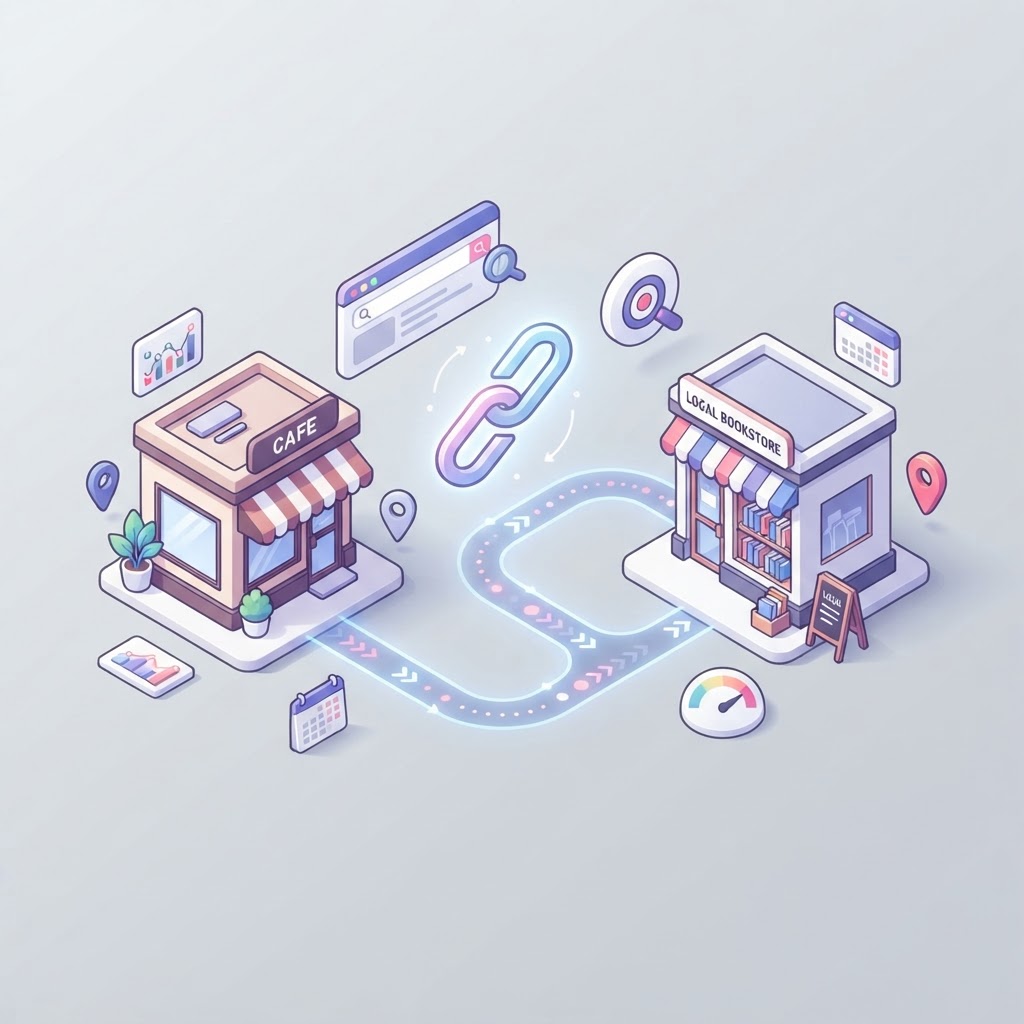
The Power of Co-Marketing for Local SEO
Local link building is notoriously difficult. Small business owners often waste time sending cold emails to local bloggers or paying for spammy directory listings that do nothing for their search rankings. Co-marketing SEO offers a better way: partnering with non-competing local businesses to create mutual value, share audiences, and earn high-authority, geographically relevant backlinks.
When two local businesses collaborate, they signal to Google that they are active, trusted members of the local community. This strategy goes beyond simple link exchanges; it involves creating genuine partnerships that benefit both businesses and their shared customer base.
See how clearly your website communicates your location and services.
InspectRank reviews your local visibility signals and gives you a clear, prioritized report.
Get My Free ReportHow Co-Marketing SEO Works
Co-marketing involves teaming up with a business that shares your target audience but does not directly compete with you. For example, a local wedding photographer might partner with a florist, or a real estate agent might collaborate with a mortgage broker. By working together, you can cross-promote services, share marketing costs, and naturally link to each other's websites.
The SEO Benefits of Local Partnerships
- Geographically Relevant Backlinks: Links from other local businesses tell Google that your business is a trusted entity in that specific city or region.
- Shared Audiences: You gain exposure to your partner's customer base, driving referral traffic that often converts at a high rate.
- Increased Brand Awareness: Co-marketing campaigns, such as joint events or shared content, increase your visibility in the local community.
Practical Co-Marketing Strategies for Local Businesses
Implementing a co-marketing strategy requires more than just asking for a link. You need to create a mutually beneficial arrangement. Here are several practical ways to partner with local businesses for SEO.
1. Create Joint Content
Collaborate on content that provides value to both of your audiences. This could be a comprehensive local guide, a co-authored blog post, or a joint webinar. For instance, a local gym and a nutritionist could create a "Healthy Living Guide for [City Name]" and publish it on both of their websites, linking to each other.
2. Host Co-Sponsored Events
Hosting a local event is a fantastic way to generate buzz and earn backlinks. Partner with another business to host a workshop, charity drive, or community gathering. Create an event page on both websites and encourage local news outlets and community calendars to link to it.
See how clearly your website communicates your location and services.
InspectRank reviews your local visibility signals and gives you a clear, prioritized report.
Get My Free Report3. Develop a Local Resource Page
Create a "Trusted Local Partners" or "Community Resources" page on your website. List businesses you genuinely recommend and link to their sites. Reach out to those businesses and let them know you've featured them; they may return the favor by linking back to you or sharing the page on social media.
Choosing the Right Co-Marketing Partners
Not every local business is a good fit for co-marketing. Look for partners who meet the following criteria:
- Shared Target Audience: Their customers should be your potential customers.
- Non-Competing Services: You should offer complementary, not competitive, products or services.
- Similar Values and Reputation: Partner with businesses that have a good reputation in the community to protect your own brand image.
- Active Online Presence: A partner with an active website and social media presence will provide more SEO value.
Measuring the Success of Your Co-Marketing Efforts
To determine if your co-marketing strategy is working, track the following metrics:
- Referral Traffic: Monitor how much traffic is coming to your site from your partner's website.
- Backlink Profile: Use SEO tools to track new backlinks acquired through your partnerships.
- Local Search Rankings: Keep an eye on your rankings for target local keywords to see if they improve over time.
Co-marketing is a long-term strategy that requires relationship building and genuine collaboration. By partnering with the right local businesses, you can build a strong, sustainable local SEO foundation that drives real results.
Sources & references
See what InspectRank finds on your website
Get a clear report covering website SEO, technical health, local visibility and AI search readiness.
Get My Free ReportRelated guides
Hyper-Local SEO: How to Use Neighborhoods and Landmarks to Rank Higher
Learn how local service businesses and retailers can use hyper-local SEO to dominate neighborhood-level search queries, outrank national directories, and drive high-intent foot traffic.

Does a Better Business Bureau (BBB) Accreditation Actually Help Your SEO?
Paying for a Better Business Bureau badge won't magically boost your Google rankings, but it isn't entirely useless. Here is how the BBB actually impacts your local SEO and whether it is worth the cost.

Out-of-Stock SEO: How Local Retailers Should Handle Sold-Out Products Without Losing Traffic
Deleting a sold-out product page is the fastest way to destroy your search rankings. Here is the exact framework for handling out-of-stock inventory without losing traffic.

Employee Bios and E-E-A-T: How Your Staff Can Boost Your Local Search Rankings
Learn how small businesses can use employee bios to demonstrate E-E-A-T, build trust with customers, and improve local search rankings.

Geofencing Ads vs. Local SEO: How to Combine Them for Maximum Foot Traffic
Stop choosing between geofencing ads and local SEO. Learn how small businesses can combine location-based marketing with search intent to drive massive foot traffic.