Local Newsjacking: How to Blog About Community Events for SEO Traffic
Stop writing generic blog posts nobody reads. Learn how local businesses can use local newsjacking and community event content to drive massive local search traffic and earn backlinks.
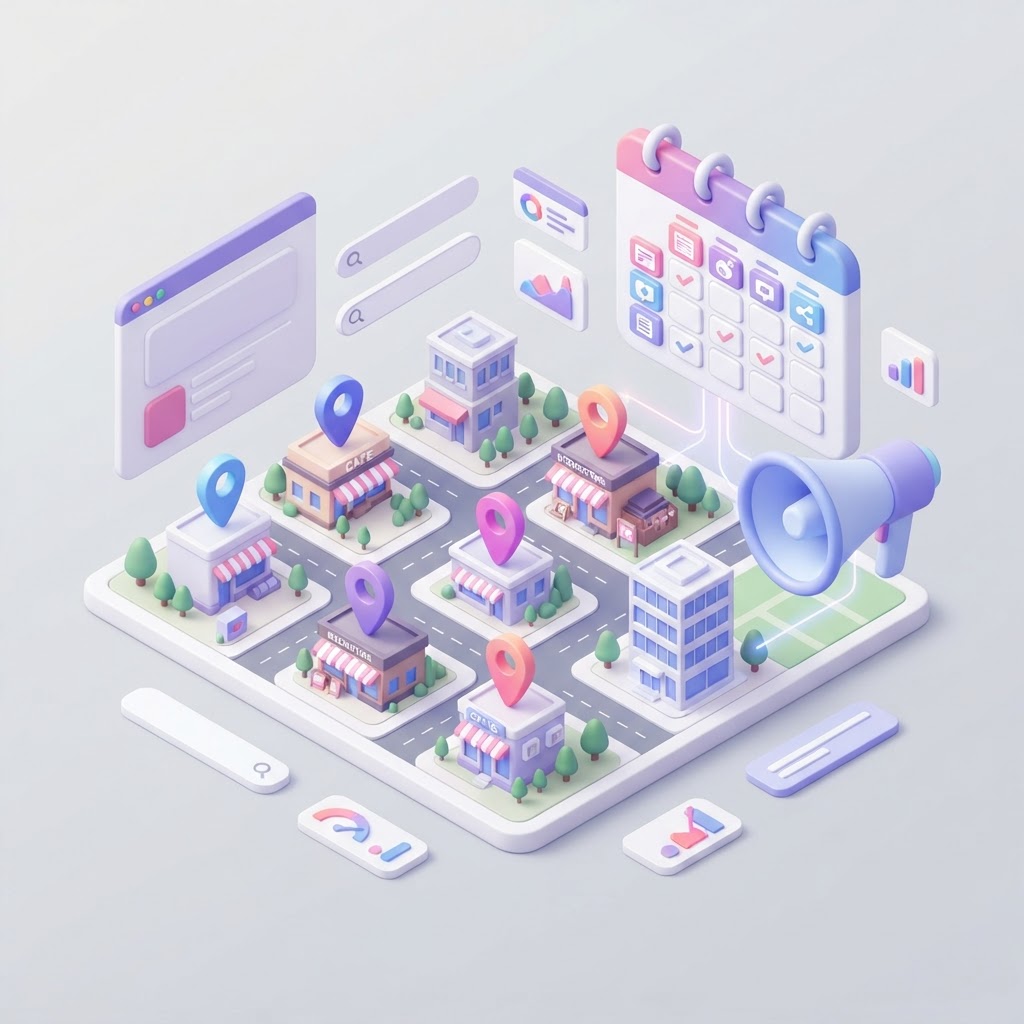
Let us be brutally honest: nobody in your city is waking up with a burning desire to read your latest blog post about "5 Signs You Need a New HVAC System." Unless they are actively freezing in their living room, they do not care. Yet, local businesses continue to pump out generic, low-search-volume content, wondering why their website traffic is flat.
If you want to drive real, hyper-local traffic to your website, you need to write about what your community is actually searching for. You need to start local newsjacking.
See how clearly your website communicates your location and services.
InspectRank reviews your local visibility signals and gives you a clear, prioritized report.
Get My Free ReportLocal newsjacking is the practice of creating content around community events, local news, or seasonal happenings to capture the massive spike in local search volume. When done correctly, it proves your local relevance to Google, drives high-intent traffic to your site, and earns backlinks from community organizations.
What is Local Newsjacking?
National brands use newsjacking to insert themselves into trending global conversations. Local newsjacking scales that concept down to your city limits. Instead of trying to rank for impossible national keywords, you create content around the "Main Street Fall Festival," the "High School State Championship Game," or the "Downtown Holiday Parade."
When a major event happens in your town, thousands of people pull out their phones and search for details. They want to know where to park, what time it starts, and what to expect. If your local business website provides the best answer, you capture that traffic.
Why Google Rewards Local Event Content
Google's local algorithm is obsessed with entity connections. It wants to know that your business is a real, active participant in your specific geographic area. When you publish high-quality content about local events, you send massive local relevance signals to search engines.
As noted in How To Create A Winning Local SEO Content Strategy, localized content boosts your brand awareness in a specific geographic location. You are no longer just a generic "plumber in [City]"—you are a local entity connected to other established local entities (the festival, the park, the school).
How to Choose the Right Events to Cover
Do not waste time writing about a neighborhood block party with 20 attendees. You need events with enough search volume to justify the effort. Look for:
See how clearly your website communicates your location and services.
InspectRank reviews your local visibility signals and gives you a clear, prioritized report.
Get My Free Report- Annual City Festivals: Events that happen every year have predictable search volume.
- Major Sporting Events: Marathons, state championships, or minor league opening days.
- Conferences and Expos: Large gatherings that bring out-of-town visitors who need local recommendations.
- Seasonal Attractions: The best Christmas light displays in your county or the top local pumpkin patches.
The Playbook: How to Write a Local Event Post
The biggest mistake businesses make is simply copying and pasting the official event description. Google already has the official event page; it does not need your duplicate version. To rank, you must add original value.
1. Solve the Attendee's Problem
Think about the friction points of attending the event. Create a "Local's Guide" that answers the questions the official website ignores. Where is the secret free parking? Which food trucks are actually worth the line? What is the best time to arrive to avoid the crowds?
2. Tie It Back to Your Business (Naturally)
You must establish a relevance threshold. If you run a local coffee shop, write about "Where to Grab Coffee Before the Downtown Marathon." If you own a landscaping company, write about "The Best Spring Garden Tours in [City]." If the connection feels forced, skip it.
3. Optimize for AI and Zero-Click Search
AI search engines like ChatGPT and Perplexity are increasingly answering local queries. To capture these citations, front-load your most important information. State the event name, date, location, and your unique tip in the first 100 words. Clear entity identification is critical for AI optimization.
Promotion and Link Building
Publishing the post is only half the battle. Once it is live, use it to build local authority. Share the post in local Facebook groups or Nextdoor neighborhoods where people are asking about the event. Tag the event organizers on social media—they love sharing positive coverage of their events, which often leads to high-quality local backlinks.
The Long-Term SEO Impact
Local event SEO is not just about a temporary traffic spike. It is about building a library of hyper-local content that proves your geographic relevance. Over time, this strategy builds topical authority for your city, making it easier to rank for your core money keywords when those visitors eventually need your services.
Sources & references
See what InspectRank finds on your website
Get a clear report covering website SEO, technical health, local visibility and AI search readiness.
Get My Free ReportRelated guides
Employee Bios and E-E-A-T: How Your Staff Can Boost Your Local Search Rankings
Learn how small businesses can use employee bios to demonstrate E-E-A-T, build trust with customers, and improve local search rankings.
Geofencing Ads vs. Local SEO: How to Combine Them for Maximum Foot Traffic
Stop choosing between geofencing ads and local SEO. Learn how small businesses can combine location-based marketing with search intent to drive massive foot traffic.

SEO for Local Subscription Businesses: Ranking for Recurring Revenue
Learn how local subscription and membership businesses can optimize their SEO to capture recurring revenue, from keyword strategy to Google Business Profile tips.

Local Influencer SEO: Turning Micro-Influencers Into High-Authority Backlinks
Stop paying for fleeting social media shoutouts. Learn how small businesses can use local influencer SEO to earn high-authority backlinks and dominate local search.
SMS Marketing and SEO: How Text Campaigns Drive Branded Search Volume
Google doesn't crawl text messages, but SMS marketing still impacts your search rankings. Learn how local businesses use text campaigns to drive branded search volume, generate reviews, and boost local SEO.